Guide
Cold plunge, explained with calm.
How to approach cold plunge as a beginner — with intention, with elegance, and without the bravado.
In This Guide
- 01A Different First Read Of Cold Plunge
- 02What Cold Plunge Is
- 03What Cold Plunge Is Not
- 04How Cold Plunge Affects The Body
- 05How Long A Beginner Should Stay
- 06How To Approach The First Immersion
- 07What To Expect Inside The Cold
- 08Mistakes Beginners Make
- 09How Often To Cold Plunge
- 10Cold Plunge Versus The Plunge Scene
- 11Cold Plunge As Part Of Contrast Therapy
- 12How To Begin Cold Plunge At SCULPT
A Different First Read Of Cold Plunge
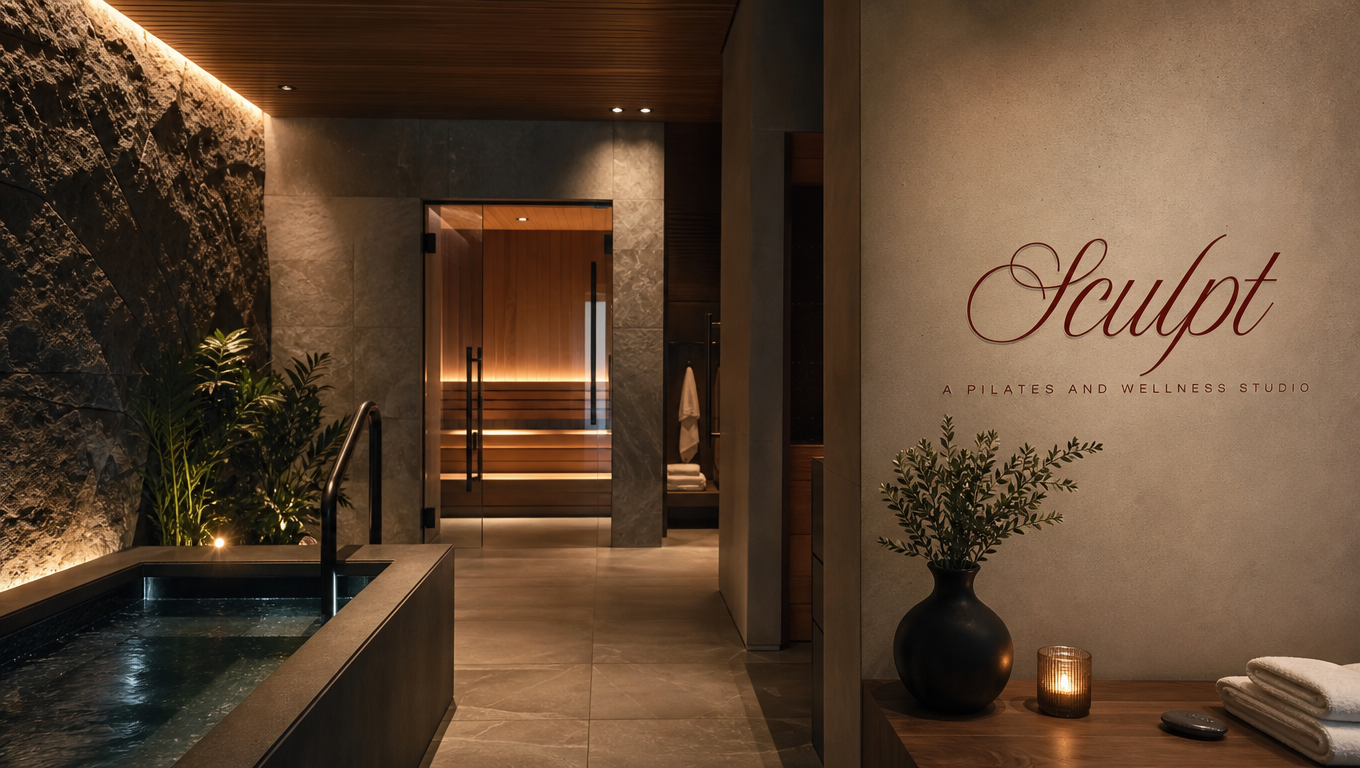
Cold plunge has earned a complicated reputation in wellness culture. The internet has made it feel like a feat of endurance, a yardstick of discipline, a photo opportunity with ice blocks and grimaces. None of that is what cold plunge feels like at SCULPT. At SCULPT, cold plunge is a quiet ritual held in a private room with softly filtered water, a controlled temperature, a recovery consultant nearby if needed, and an experience design that gently prepares the guest rather than surprises her. This guide is offered as a beginner-friendly, non-macho, dignity-first introduction to the practice — written from inside SCULPT's recovery wing, designed for women approaching cold plunge for the first time.
What Cold Plunge Is
Cold plunge is the practice of immersing the body in cool water for a short, structured period of time. Plunge tubs vary widely — from ice-filled barrels to temperature-controlled stainless plunge pools to the elegant, hospitality-grade plunge installations used at SCULPT. The common intent is the same: a brief, controlled thermal experience designed to settle the nervous system, sharpen the mind, and reset the body after demand. The practice is ancient — found in cultures across the world — and is increasingly integrated into modern recovery rituals by athletes, executives, and women seeking a clearer, more grounded way of recovering from high-capacity weeks.
What Cold Plunge Is Not
Cold plunge is not a competitive sport. It is not a test of willpower. It is not a masculine-coded ritual the body must brace against. It is not, at SCULPT, an opportunity to perform endurance for an audience. It is a structured, intentional practice shaped around the body's honest response to thermal change. The moment a guest relaxes into the breath rather than gripping against the cold, the practice begins to deliver its real benefits. That is the orientation SCULPT's recovery wing is built to support.
How Cold Plunge Affects The Body
On immersion, the body registers thermal change. The breath catches at first, then steadies as the guest allows the rhythm of breathing to organize the nervous system. Within thirty to ninety seconds, the capillaries of the skin contract, blood flow redistributes toward the core, and the parasympathetic system begins to settle the body's stress response. The experience feels, eventually, more focused than cold — more like a sharpening of attention than a bracing against the cold. Most guests report feeling remarkably clear and warm within minutes of leaving the plunge.
How Long A Beginner Should Stay
For a first immersion, SCULPT's recovery protocol recommends a stay of thirty to sixty seconds. This is not because longer is not valuable — it is because the body of a first-time guest benefits from a controlled, gentle introduction. The body adapts remarkably quickly. Within a few sessions, most beginners find a comfortable range of ninety seconds to three minutes. Long immersions at very low temperatures (under 50°F) are not where SCULPT steers its guests; sustained, restorative immersive work at moderate temperatures is where the practice is held.
How To Approach The First Immersion
- Hydrate well before entering the plunge.
- Eat lightly in the hours before.
- Approach the plunge at a measured pace — no jumping, no race.
- Breathe a long, slow breath as you enter.
- Allow the body to settle into its own rhythm.
- Lift out gently when the body signals, or at the upper end of your planned time.
- Rest afterward on the recovery lounge.
What To Expect Inside The Cold
The first ten seconds feel like cold. The next ten seconds typically feel sharper. By thirty seconds, the body's adaptation has begun. The breath deepens. The shoulders drop. The jaw softens. The mind, surprisingly, often begins to quieten. The clarity that follows is the reward. Most guests describe the post-plunge hour as the most focused period of their week. The post-plunge night is often reported as a noticeably better sleep.
Mistakes Beginners Make
- Holding the breath. Allow the breath to flow. The breath is the technique, not the time.
- Trying to outlast the cold. Honor the body's signal. Length follows naturally.
- Plunging on a full stomach. Wait until digestion has settled.
- Skipping the aftercare. The post-plunge rest is part of the practice.
How Often To Cold Plunge
For beginners, two to three sessions per week is a comfortable starting cadence. As the practice deepens, many guests enjoy daily plunges for short periods. The body is the guide. The recovery consultant will help shape a rhythm appropriate to your goals. Consistency matters more than intensity. A weekly plunge held for six months will produce a different body than a heroic monthly plunge.
Cold Plunge Versus The Plunge Scene
There is a difference between the public cold-plunge scene and SCULPT's recovery wing. The public scene is often loud, social, performative, full of competing breaths and visible feats. The SCULPT scene is private, quiet, focused on the body's honesty, with a poised design that supports the practice without distracting from it. If you have been hesitant to begin because the public language around cold plunge did not feel like you, that hesitation makes sense. SCULPT's cold plunge is held differently.
Cold Plunge As Part Of Contrast Therapy
Cold plunge at SCULPT is most often practiced as part of the Contrast Therapy protocol, which pairs infrared sauna with cold plunge in a structured rhythm. The pairing produces a more comprehensive recovery ritual than either practice alone. A typical contrast therapy sequence at SCULPT might include ten minutes in the infrared sauna, five minutes of rest, ninety seconds in the cold plunge, then ten minutes of recovery lounge rest. The protocol can be refined over time to match your body's preferences.
How To Begin Cold Plunge At SCULPT
A first cold plunge can be experienced in the context of a Private Preview. The Preview can be arranged to include a guided contrast therapy introduction at a comfortable temperature, with a recovery consultant present, and a quiet tour of the rest of the recovery wing. To begin, schedule a Private Preview. Membership Consultations walk through the rest.
Questions
Cold Plunge for Beginners, answered.
Cold plunge is an intense thermal practice and warrants medical consultation for those with cardiovascular conditions, pregnancy, or other specific medical considerations. SCULPT will partner with your physician's input on a session length and cadence.
No. SCULPT's cold plunge is private. Each session is held individually or in a small, controlled pairing at most.
Plunge temperatures are typically held between 50°F and 60°F, calibrated to the body, the season, and the practice being held.
Many guests report noticeably deeper, more restorative sleep on plunge nights. The effect is most pronounced with consistent practice.
More Guides
Further reading, in the SCULPT voice.
Come see the club in person.
Founding Membership is open to the first 100 women who join before opening. A private preview is where the conversation begins.