Guide
A luxury self care guide, written quietly.
How to design a self-care architecture that honors the rest of the life it supports.
In This Guide
- 01Why Luxury Self Care Is Its Own Discipline
- 02The Difference Between Luxury Self Care And Self-Indulgence
- 03The Five Layers Of A Self-Care Architecture
- 04Luxury Self Care In The Morning
- 05Luxury Self Care In The Evening
- 06The Reformer As A Self Care Practice
- 07Recovery As Self Care
- 08Massage As Self Care
- 09The Self-Care Of Community
- 10The Self-Care Of Aesthetic
- 11How To Build The Self-Care Discipline
- 12Closing Thought
Why Luxury Self Care Is Its Own Discipline
Self care, like wellness, has been compressed by marketing into a category that flatters more than it serves. Spa weekends, expensive candles, and indulgent meal kits are not, by themselves, self care. They may be intermittent pleasures. They may be lovely gifts. They are not a discipline. A discipline of luxury self care is a sustained practice — built daily, weekly, and seasonally — that returns the body to itself, that organizes the nervous system, that holds the woman in the standards she holds for the rest of her life. This guide is offered as a long-form editorial orientation to that discipline, written from inside SCULPT.
The Difference Between Luxury Self Care And Self-Indulgence
Self-indulgence is the occasional relief from demands. Luxury self care is the structural support of a demanding life. The distinction matters because the women who most need self care are also the women least likely to schedule it. The luxuries they purchase are rarely luxuries of restoration. They are luxuries of performance. The discipline of luxury self care refuses that drift. It builds restoration into the architecture — quietly, weekly, ritually.
The Five Layers Of A Self-Care Architecture
A self-care architecture at SCULPT is organized in five layers. **Layer One — Daily Rituals:** morning tea, a brief walk, breath work, an evening exit ritual. **Layer Two — Weekly Practices:** two or three reformer sessions, one or two recovery sessions, a massage, the writing of a brief weekly reflection. **Layer Three — Monthly Rituals:** a longer massage, a contrast therapy sequence, a quiet hour in the tea lounge, a deliberate reading hour. **Layer Four — Seasonal Practices:** an editorial re-orientation of the wellness frame for the season, particularly important during hormonal transitions. **Layer Five — Annual Architecture:** the annual review of how the year has been held, the establishment of intentions for what is next. These five layers, practiced over years, build a quiet, sustained kind of luxury the body can carry.
Luxury Self Care In The Morning
The morning is where the self-care architecture is most easily lost. Most women in high-capacity lives run from sleep to responsibility. The luxury of a morning restored is the luxury of a self-care discipline that takes the morning seriously. **Leave the calendar uncluttered** for the first hour. **Begin with water** — mineral water warm or cool, before anything else. **Take a brief walk** — ten minutes outdoors, breath-paced. **Begin the day with breath** — five to ten minutes of slow, deep nasal breathing. **Begin movement work as the second commitment**, not the first. These small choices, daily, are the substance of the architecture.
Luxury Self Care In The Evening
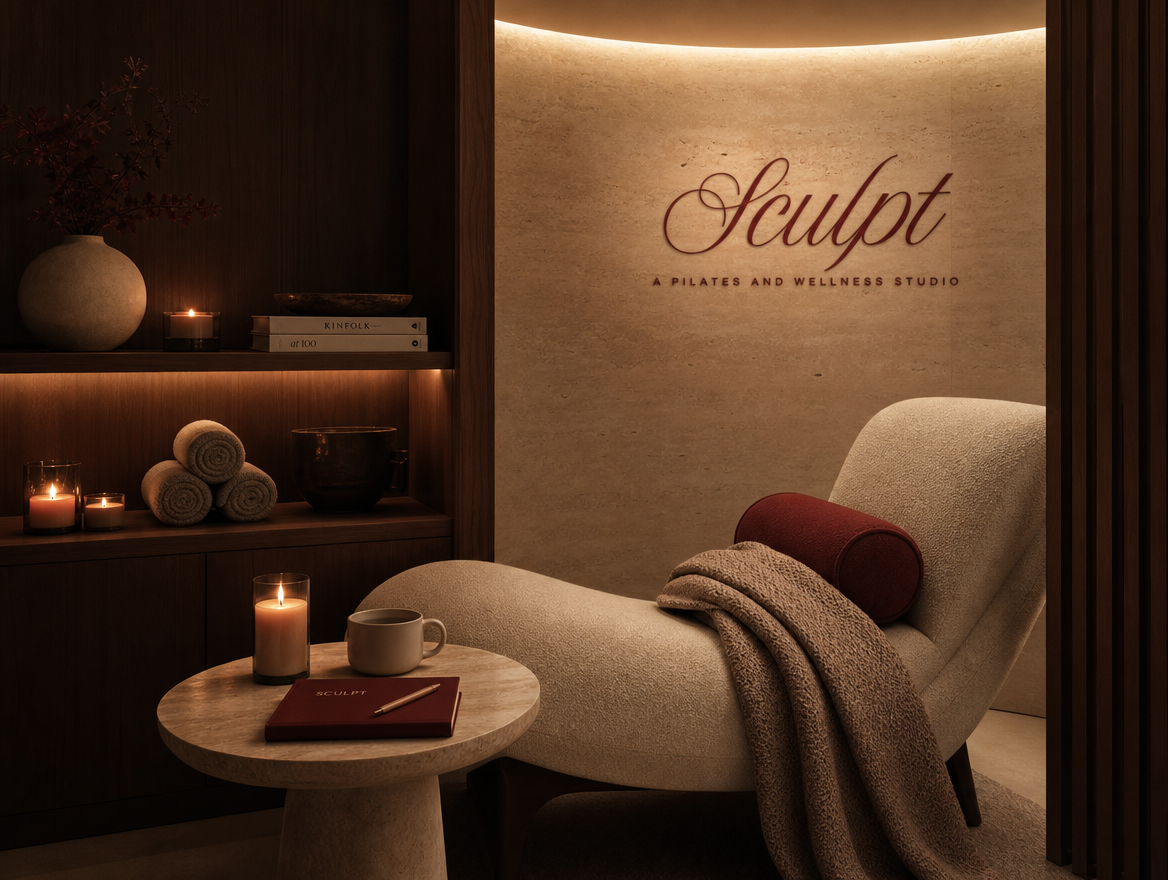
The evening architecture is where the rest of the day is metabolized. **Begin the transition deliberately** — soft lighting, no screens for the last hour before bed. **Make space for a recovery practice** — infrared sauna, contrast therapy, or a long shower. **Eat the final meal early** — give the body at least three hours before sleep. **Read with intention**, not as distraction. **Sleep on linen, in dark, in quiet, with a wind-down ritual repeated nightly**. The luxury of a held evening is the luxury the next morning will thank you for.
The Reformer As A Self Care Practice
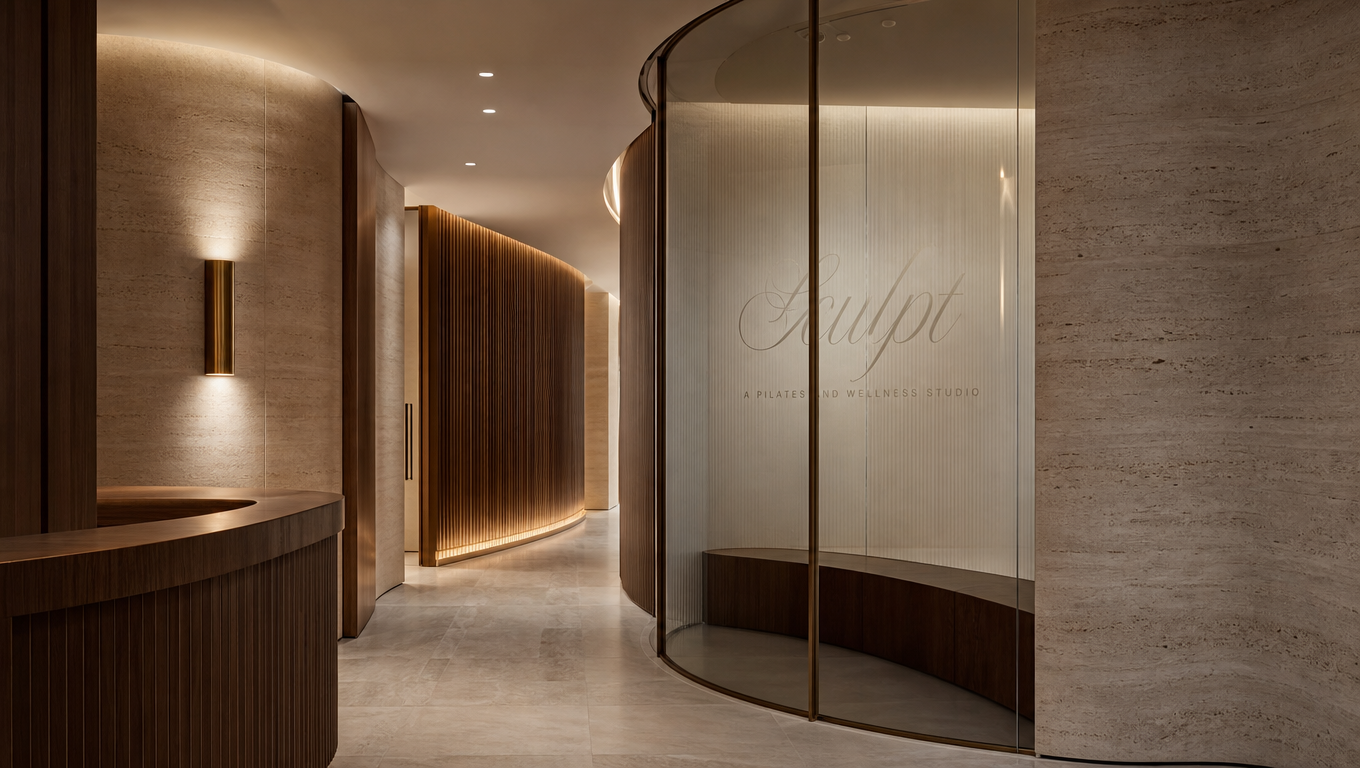
Many women arrive at SCULPT believing Pilates is fitness. They discover within sessions that the reformer is a self-care practice — one that asks the body to slow, to organize, to return to the center. The reformer offers a kind of restorative pressure, a kind of focused quiet, a kind of motor refinement that no other modality quite matches. When practiced as self care rather than performance, reformer work becomes one of the most potent pillars of a luxury architecture. The body is shaped. The mind is settled. The week is reorganized.
Recovery As Self Care
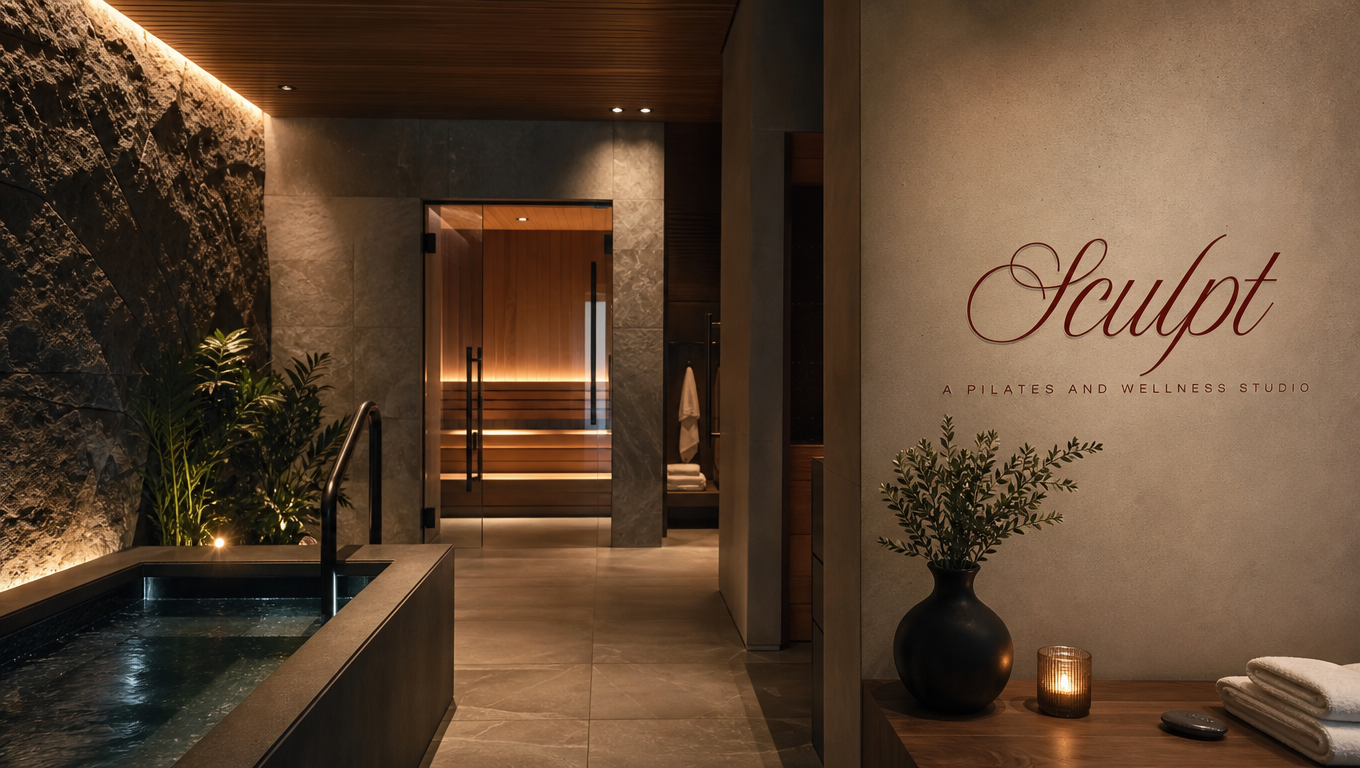
Recovery — infrared sauna, cold plunge, contrast therapy, the recovery lounge — is self care in its most direct form. The body is welcomed into a warm, soft, quiet room. The autonomic nervous system shifts. The week's accumulated load is allowed to drain. By the time the session ends, the body has received an hour of restoration that no other arrangement can match. Recovery at SCULPT is treated as a luxury and as a discipline simultaneously.
Massage As Self Care
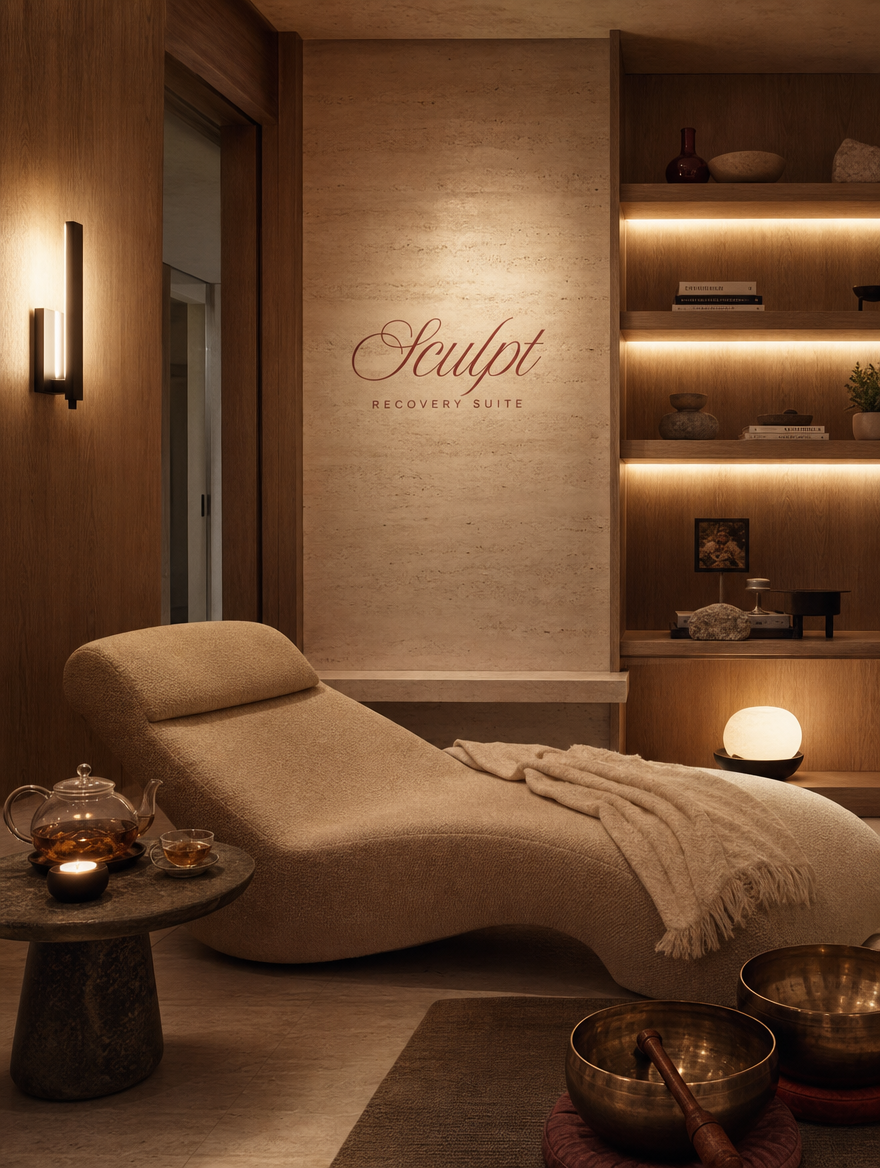
Massage is perhaps the most ancient self-care practice available to women. At SCULPT, massage is held as personal care rather than menu item. Therapists shape the session to the body's day. Modalities are chosen for what they offer (Deep Tissue, Swedish, Sports, Prenatal, Therapeutic). The treatment room is quiet. The sheets are fresh. The lighting is soft. The therapist works in real time. By the end of the session, the body has been heard.
The Self-Care Of Community
The self-care of community is often oversimplified as friendship. SCULPT holds community as practice. The practice of being known. The practice of being seen. The practice of holding one another to standards that benefit from outside accountability. The self-care of community is the practice of building a regular, relational context — one that the body can rely on for emotional longevity and the mind can rely on for cognitive stimulation. SCULPT's membership is small enough that this practice is structurally supported.
The Self-Care Of Aesthetic
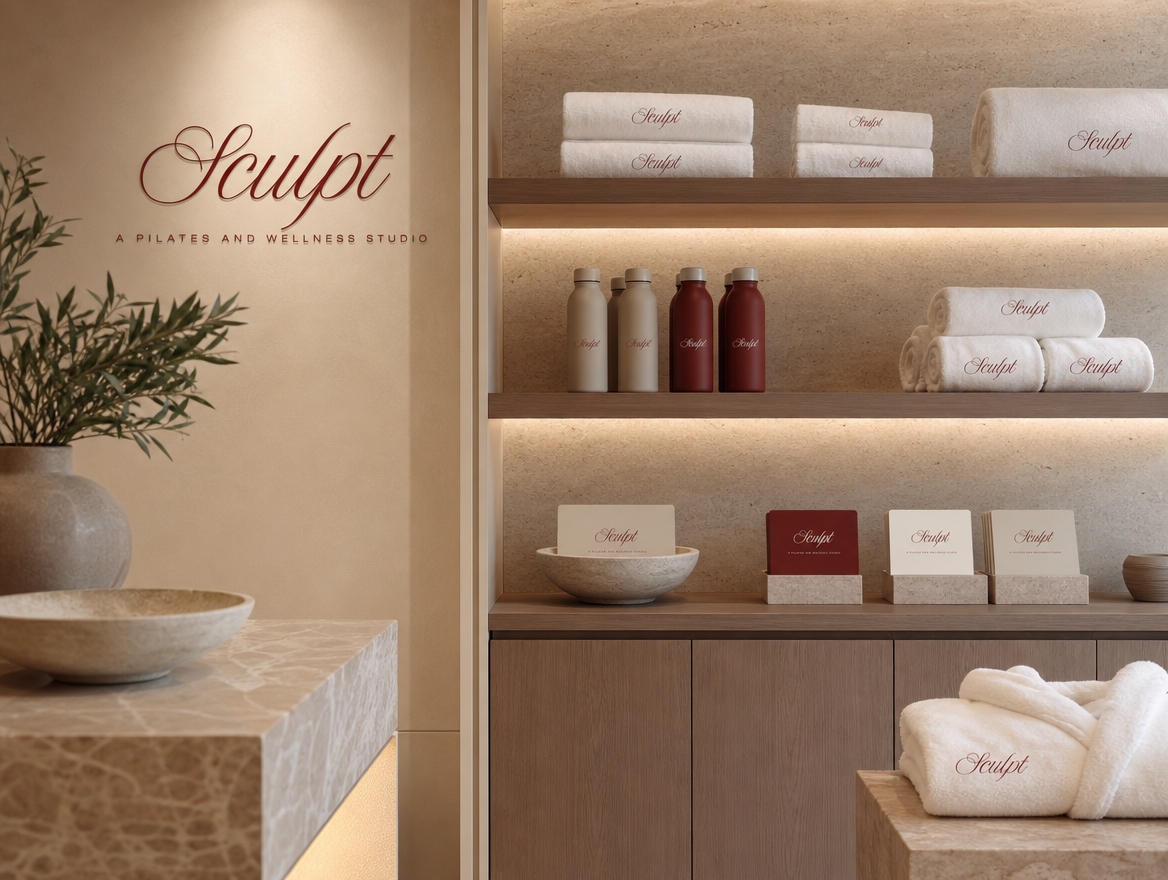
The self-care of aesthetic is the practice of being in beautiful spaces. The home. The kitchen. The table. The wardrobe. The club. Aesthetic care is self-care because the body receives beauty as rest. There is substantial research on biophilic response, on the soothing effect of natural materials, on the cognitive calm offered by considered design. SCULPT is designed to deliver this kind of rest through architecture, lighting, materials, and the unhurried pace of each room.
How To Build The Self-Care Discipline
Begin small. Begin with the morning ritual. Begin with one reformer session per week. Begin with one recovery session per week. Begin with one evening ritual repeated nightly. Begin with one annual review. As the discipline holds, add layers. As layers hold, add depth. In eighteen months, the practice begins to feel like architecture. In three years, the architecture begins to feel like the way the woman lives. That is luxury self care.
Closing Thought
Luxury self care is not the entitlement of those with leisure. It is the discipline of those who carry demanding lives. SCULPT was designed to support that discipline — quietly, editorially, and with the standards East Cobb has always held. If you would like to begin, we welcome you to Request Private Preview.
Questions
Luxury Self Care Guide, answered.
No. Self-indulgence is intermittent relief. Self care is a sustained, structured discipline that supports the rest of life.
A wellness routine is something the body submits to. A self-care practice is something the body organizes itself around.
Yes. SCULPT's whole architecture — movement, recovery, community, design — is built to support the self-care discipline.
SCULPT is not a medical provider. We will, however, partner with you on a movement, recovery, and membership cadence shaped around your life.
More Guides
Further reading, in the SCULPT voice.
Come see the club in person.
Founding Membership is open to the first 100 women who join before opening. A private preview is where the conversation begins.